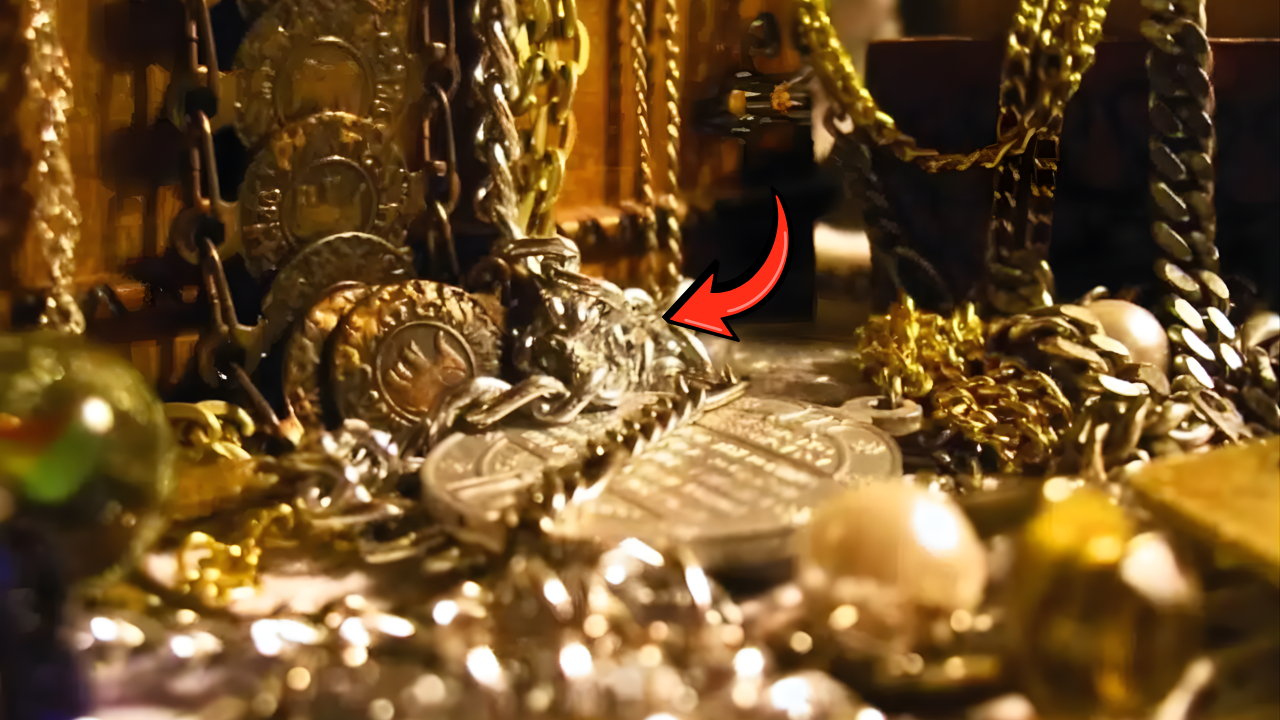
A secretive cache of rare gold coins, now valued at around 160 million dollars, has emerged from its hiding place in Europe more than half a century after it was buried and is now being prepared for a multi‑year series of high‑profile auctions. Known as the Traveller Collection, this hoard is being described by specialists as one of the most important numismatic discoveries ever to reach the open market.
Origins of the Traveller Collection
The story of this treasure begins with a European collector and his wife who, in the turbulent decades around the Second World War, dedicated themselves to acquiring the rarest and most historically significant coins they could find across Europe and the Americas. Motivated by history, rarity, and artistic quality, they built a carefully documented collection that would quietly eclipse many museum holdings in scope and value.

As the threat of Nazi occupation and wartime confiscation grew, the owner took the drastic step of hiding the coins underground to protect them from seizure and chaos. Packed into cigar boxes and metal containers, the collection was buried at secret locations, and for decades after the war, both the collector and the exact whereabouts of the hoard faded from public view.
Rediscovery After 50 Years
More than 50 years later, the heirs of the original collector finally uncovered the long‑hidden treasure, bringing to light thousands of gold pieces that had not seen daylight in generations. Once recovered, the coins were swiftly moved to a secure bank vault, where specialists began the meticulous work of cataloging, authenticating, and valuing each item.

Numismatica Ars Classica (NAC), a leading auction house with bases in London and Zurich, was chosen to oversee the sale of the collection on the international stage. The firm has announced a multi‑year auction program, with the first session scheduled to begin on May 20, 2025, and further sales planned as the market absorbs such an unprecedented offering.
Highlights of the Gold Hoard
Among the standout pieces is a monumental 100‑ducat gold coin minted in 1629 for Ferdinand III of Habsburg, weighing about 348.5 grams of fine gold and estimated at roughly 1.35 million dollars on its own. This coin ranks among the largest gold denominations ever struck in Europe and is a centerpiece of the entire hoard.
Another highlight is a 70‑ducat coin issued in 1621 for Polish King Sigismund III, weighing around 243 grams and valued in the high hundreds of thousands of dollars. Together with these showpieces, the collection also includes an exceptionally rare group of Persian Tomans from the Qajar era, of which only a handful of complete sets are known worldwide.
Key Figures from the Traveller Collection
| Feature | Detail |
|---|---|
| Approximate total value | About 100 million USD (~160 million AUD) |
| Estimated number of coins | More than 15,000 rare pieces |
| Time hidden underground | Over 50 years, buried during the WWII period |
| Major auction house | Numismatica Ars Classica (NAC), London & Zurich |
| First auction date | May 20, 2025, in London |
| Star coin – Ferdinand III 100 ducats | 1629 issue, 348.5 g gold, ~1.35 million USD estimate |
Historical and Wartime Context
The decision to bury the coins was closely linked to the fear that Nazi authorities would confiscate private wealth, especially portable assets such as gold and art. By hiding the hoard in the ground, the collector effectively removed it from circulation for an entire era, turning it into a time capsule of European monetary history.
This background gives the Traveller Collection a dual significance: it is not only a trove of artistic and financial value but also a record of how individuals tried to shield their cultural assets from totalitarian regimes and global conflict. The layered provenance of many coins, which can be traced through auction records of the late nineteenth and early twentieth centuries, adds further depth for historians and collectors.

Numismatic Importance and Rarity
Experts have called this hoard one of the most valuable numismatic collections ever to appear at auction in a single, unified offering. Specialists point to the breadth of regions represented—spanning more than 100 issuing authorities—as well as the consistent high quality and preservation of the coins.
Many pieces have either not been seen in public for over 80 years or were previously unknown to official numismatic catalogues, making their documentation and sale a major event for research. The presence of extremely rare Tomans, along with major European gold issues, ensures that the collection will reshape price records and reference books alike.
The Auction Plan and Market Impact
NAC intends to release the Traveller Collection through a series of themed sales, beginning with British machine‑struck coins from the reigns of Charles II through George VI. Public previews in London will allow collectors, institutions, and the curious public to view many of these coins for the first time before they disperse into private hands.
The sheer scale and value of the hoard are expected to influence high‑end coin prices globally, as top bidders compete for singular pieces that may not reappear on the market for generations. For museums and serious private collectors, this auction cycle represents a once‑in‑a‑lifetime chance to secure cornerstone specimens with impeccable provenance and dramatic backstories.
What the Hoard Reveals About Wealth and Memory
Beyond its market value, the 160‑million‑dollar hoard underscores how portable treasures like coins can bridge gaps between past and present. Each piece was once a working instrument of power, trade, or prestige, and together they chart political shifts from early modern Europe to more recent empires and states.
The rediscovery after half a century also highlights how family memory and careful record‑keeping can revive stories that might otherwise have vanished with a single wartime generation. As the auctions unfold, the Traveller Collection will continue to generate fresh research, headlines, and debate about the best ways to preserve and share such private cultural wealth.
SOURCE
FAQs
Q1: Why is the hoard valued at about 160 million?
Because it contains more than 15,000 rare gold coins, including ultra‑rare pieces valued in the millions, and is considered one of the most significant private collections ever assembled.
Q2: Who is selling the coins?
The auctions are being organized by Numismatica Ars Classica (NAC), an international auction house based in London and Zurich.
Q3: When do the auctions start?
The first public sale of coins from the Traveller Collection is scheduled for May 20, 2025, in London, with further auctions to follow over several years.