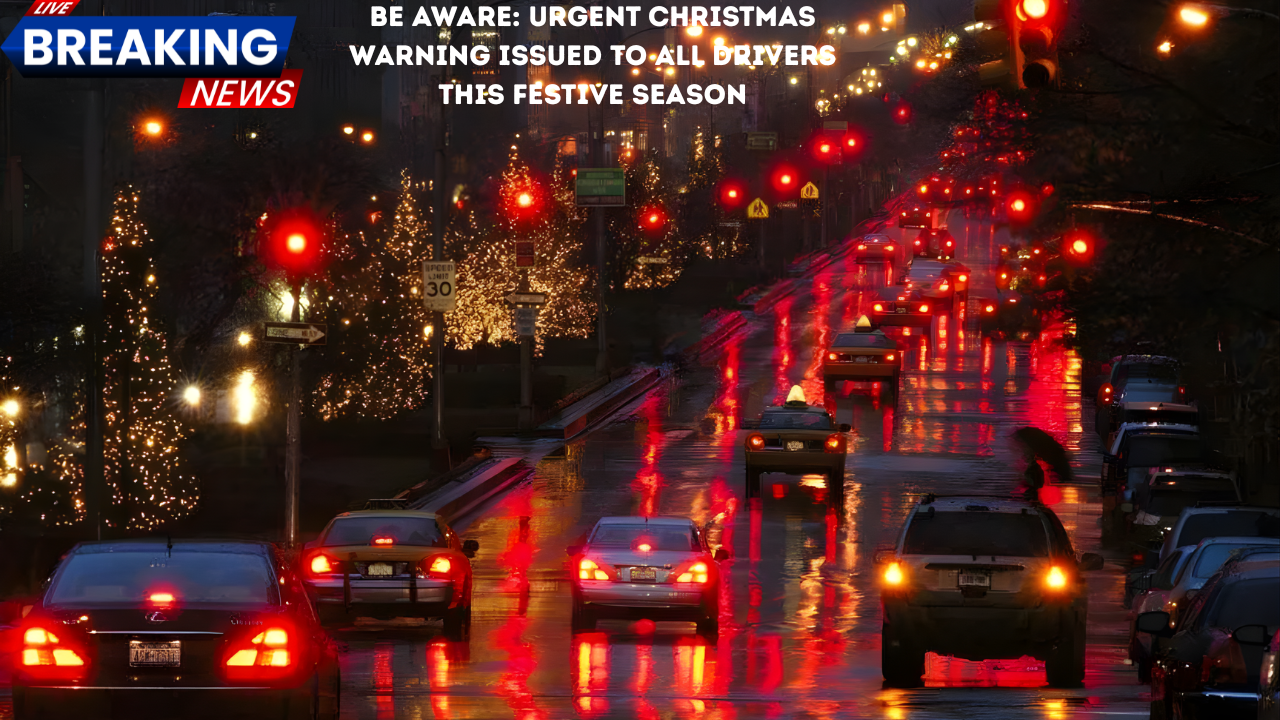
Urgent Christmas warnings for drivers this festive season focus on three major dangers: impaired driving, excessive speed on deceptively quiet roads, and distraction or fatigue during long holiday journeys. Being aware of these risks and taking simple precautions can dramatically reduce the chance of a serious collision for you and everyone you share the road with.
Why this Christmas warning matters
Police, road‑safety agencies and insurers are all reporting that collisions and road deaths typically rise around the festive period, even though many trips are short and local. More people are on the move for shopping, parties and family visits, and a proportion of those drivers are distracted, tired or under the influence of alcohol or drugs. This combination makes December one of the most dangerous times of the year to be behind the wheel.
Hidden danger: drink and drug driving
One of the clearest Christmas warnings this year is about drink and drug driving, with surveys showing that a significant minority of drivers admit getting behind the wheel after consuming alcohol or illicit substances. Enforcement campaigns make it clear that if you are caught over the limit you face losing your licence, heavy fines and potentially even prison if someone is injured or killed. The safest choice is simple: if you plan to drink at all, arrange a sober driver, taxi, rideshare or public transport instead of driving yourself.
Speed, weather and deceptively quiet roads
Data from recent Christmas travel seasons show that while traffic volumes can be lower on Christmas Day itself, average speeds are significantly higher than on a normal weekday, especially on open highways. Higher speeds dramatically increase both stopping distance and the severity of any crash, particularly in winter conditions with rain, ice or snow on the road surface. Road‑safety bodies therefore urge drivers to slow down, leave extra space, avoid overtaking unless it is clearly safe and, where possible, avoid travelling during severe weather alerts.

Key festive‑season risks and safe habits
| Risk factor | Typical festive pattern | Safer habit to adopt |
|---|---|---|
| Drink and drug driving | More social events and a notable share of drivers admit offending. | Always have a sober driver; never drive the morning after if unsure. |
| Speeding on quiet roads | Measured increase in high‑speed driving on Christmas Day. | Stick to or below the limit and reduce speed in bad weather. |
| Distraction (phones, stress) | Extra messages, navigation changes, children and shopping stress. | Put phones away, set navigation before departure, plan stops. |
| Fatigue on long trips | Longer journeys to visit family and late‑night driving. | Rest before travel, take breaks every 2 hours, share driving. |
Distraction, stress and festive fatigue
Another core element of the Christmas warning to drivers is distraction, from mobile phones, in‑car entertainment, navigation apps and even arguments or excitement among passengers. Combined with end‑of‑year stress and lack of sleep, these distractions slow reaction times and increase the chance of missing a pedestrian, cyclist or sudden hazard in traffic. Simple steps like silencing notifications, securing children and pets properly, and stopping in a safe place before dealing with calls or messages significantly cut this risk.
Vehicle checks, decorations and legal traps
Authorities also remind drivers to prepare their vehicles properly before any festive trip, checking tyres, lights, wipers, brakes and fluid levels so the car can cope with winter conditions and heavy traffic. In some countries, adding Christmas lights or decorative items to the outside or inside of the vehicle can be illegal if they obscure the driver’s view or display incorrect coloured lights, and may lead to fines or penalty points. Keeping windows completely clear, securing gifts so they do not become projectiles, and avoiding anything that obstructs mirrors or number plates helps you stay both safe and legal.

Safer journey planning this festive season
Road‑safety organisations advise planning journeys outside peak shopping times, allowing extra travel time and avoiding driving late at night whenever possible. Scheduling regular breaks every two hours or around every 200 km helps combat fatigue and gives drivers time to stretch, hydrate and refocus before continuing. If conditions deteriorate or you feel too tired or unwell to drive, the clear advice is to postpone the journey or find alternative transport rather than pushing on.
Protecting yourself from other drivers
Even if you drive carefully, other road users may not, which is why defensive driving is such a strong theme in festive safety warnings. Watching for tell‑tale signs of impaired or aggressive driving, such as weaving, inconsistent speed or late braking, and increasing your following distance when you spot them can keep you out of harm’s way. Being visible by using lights correctly, checking mirrors frequently, and anticipating that pedestrians and cyclists may be distracted near shops, bars and Christmas events further improves your margin of safety.
SOURCE
FAQs
Q1: What is the single biggest Christmas driving risk?
A1: The combination of alcohol or drugs with driving remains one of the most serious and consistently highlighted festive dangers.
Q2: Is it safer to travel on Christmas Day itself?
A2: Roads can be quieter but average speeds are often higher, so careful speed control and attention are still essential.
Q3: How often should drivers stop on long festive trips?
A3: Road‑safety bodies generally recommend a break at least every two hours or roughly every 200 km of driving.