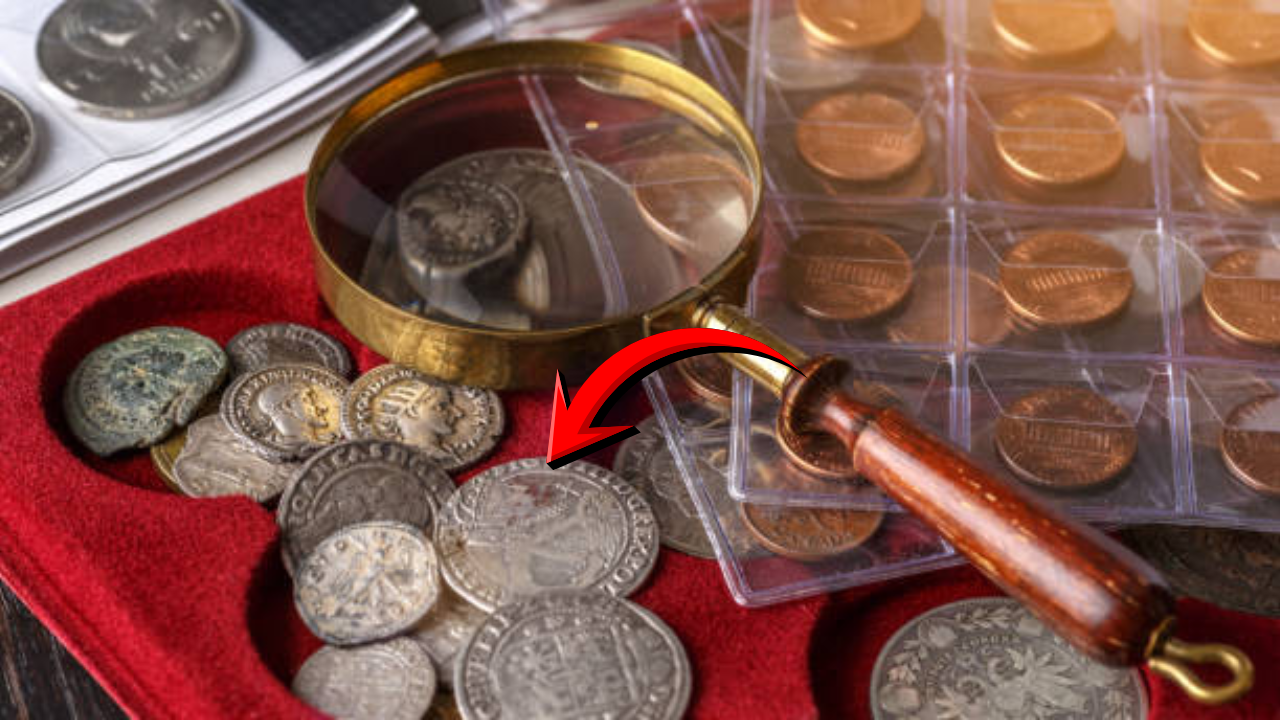
Collectors are willing to spend staggering sums on a handful of ultra‑rare coins because these pieces combine beauty, history, and extreme scarcity. In some cases, a single coin has crossed the eight‑figure mark at auction, turning ordinary-looking metal into a life‑changing asset.
Why Some Coins Are Worth Millions
Ultra‑rare coins usually tick three boxes: they are tied to a pivotal historical moment, they exist in tiny numbers, and they attract intense competition among high‑net‑worth collectors. When a coin with all three qualities appears at auction, demand can far exceed supply, pushing prices into the millions within minutes of bidding opening.

Many of these coins were never meant for general circulation, were struck in error, or survived mass meltings and recalls that wiped out most of their original mintage. Their stories add a layer of romance and mystery that makes owning them feel more like holding a piece of living history than a simple investment.
1933 Saint‑Gaudens Double Eagle
The 1933 Saint‑Gaudens Double Eagle is often described as the ultimate trophy coin in American numismatics. Although more than 400,000 pieces were originally struck, almost all were melted after the United States abandoned the gold standard, leaving only a tiny handful legally collectible today.
One of these survivors sold in 2021 for about 18.9 million dollars, setting a world record for any coin and demonstrating just how powerful the combination of rarity, legal intrigue, and iconic design can be. Collectors also prize its high‑relief artwork by Augustus Saint‑Gaudens, which many consider one of the finest designs ever placed on a U.S. coin.
1794 Flowing Hair Silver Dollar
The 1794 Flowing Hair Silver Dollar holds enormous appeal because it represents the first era of official U.S. silver dollar coinage. Experts believe only a relatively small number were minted and far fewer survive in high grade, making top‑quality examples exceptionally difficult to acquire.

In 2013, a remarkable specimen of the 1794 dollar sold for around 10 million dollars, at the time becoming the most valuable silver coin ever auctioned. For many collectors, this coin symbolizes the young nation’s first steps into producing its own large‑denomination currency, which adds to its emotional and historical value.
1787 Brasher Doubloon
The 1787 Brasher Doubloon is a legendary early American gold piece created by New York goldsmith Ephraim Brasher rather than a government mint. Its design, featuring a rising sun and an American eagle, reflects the optimism of the post‑Revolution period, and surviving examples are extremely scarce.
Different varieties of the Brasher Doubloon have achieved spectacular results, with one notable sale reaching roughly 9.36 million dollars in 2021. Because it predates official federal gold coinage, collectors view it as a bridge between colonial money and the fully formed U.S. monetary system.
1913 Liberty Head Nickel and Other Icons
Few coins capture imagination like the 1913 Liberty Head Nickel, of which only five authenticated pieces are known to exist. The design was no longer in use when these coins were secretly struck, so their mysterious origin has fueled a century of fascination and multi‑million‑dollar price tags.
Another perennial favorite is the 1804 Silver Dollar, often nicknamed the “King of American Coins,” despite being struck later as a special issue rather than in its dated year. High‑grade examples of both the 1913 nickel and the 1804 dollar have sold for several million dollars each, cementing their status as dream pieces for advanced collectors.
Data Snapshot of Million‑Dollar Coins
Below is a concise look at several ultra‑rare coins and their record prices to illustrate just how high the market can climb.
| Coin | Approximate record price (USD) | Notable sale period | Key reason for value |
|---|---|---|---|
| 1933 Saint‑Gaudens Double Eagle | 18.9 million | 2021 | Extremely few legal examples, gold recall |
| 1794 Flowing Hair Silver Dollar | 10 million+ | 2013 | First U.S. silver dollar, top condition |
| 1787 Brasher Doubloon | 9.36 million | 2021 | Early private gold issue, historic rarity |
| 1913 Liberty Head Nickel | 4–5 million+ | 2018 era sales | Only five known, mysterious origin |
| 1804 Silver Dollar | 7–8 million range | Recent decades | Famous “King of Coins,” tiny population |
8 Ultra‑Rare Coins Collectors Chase
When collectors talk about coins worth millions, certain names appear again and again. Among the most frequently cited are:
-
1933 Saint‑Gaudens Double Eagle
-
1794 Flowing Hair Silver Dollar
-
1787 Brasher Doubloon
-
1913 Liberty Head Nickel
-
1804 Silver Dollar
-
1822 Half Eagle 5‑dollar gold piece
-
1343–1344 Edward III Gold Florin
-
A unique ultra‑valuable Bicentennial Quarter linked to a high‑profile modern valuation story
These pieces span centuries and continents, but each combines extreme rarity, strong narratives, and a track record of headline‑grabbing sale prices. As more wealth flows into tangible assets, interest in such trophy coins has persisted and, in some cases, intensified.
What This Means for Everyday Collectors
Most collectors will never handle a multi‑million‑dollar coin, but the same factors that drive top‑tier prices also influence more modest pieces. Scarcity within a series, historical significance, condition, and market demand can create attractive opportunities even at far lower price points.
New and intermediate collectors can apply lessons from these ultra‑rare coins by studying mintage figures, learning to recognize original surfaces and high grades, and focusing on series that interest them personally. With patience and research, it is possible to build a collection that is both personally meaningful and financially resilient, even without chasing seven‑ or eight‑figure trophies.
SOURCE
FAQs
Q1: Why are some coins worth millions while others from the same year are not?
A: Small differences in mint marks, errors, survival rates, and condition can create huge gaps in value between coins that look similar at first glance.
Q2: Do ultra‑rare coins always go up in value?
A: Long term, many top coins have risen strongly, but prices can fluctuate, so collectors are encouraged to buy for both enjoyment and potential appreciation rather than guaranteed profit.
Q3: How can beginners avoid fakes when collecting rare coins?
A: Using reputable dealers, insisting on third‑party grading, and learning basic authentication techniques greatly reduce the risk of counterfeits in a collection.