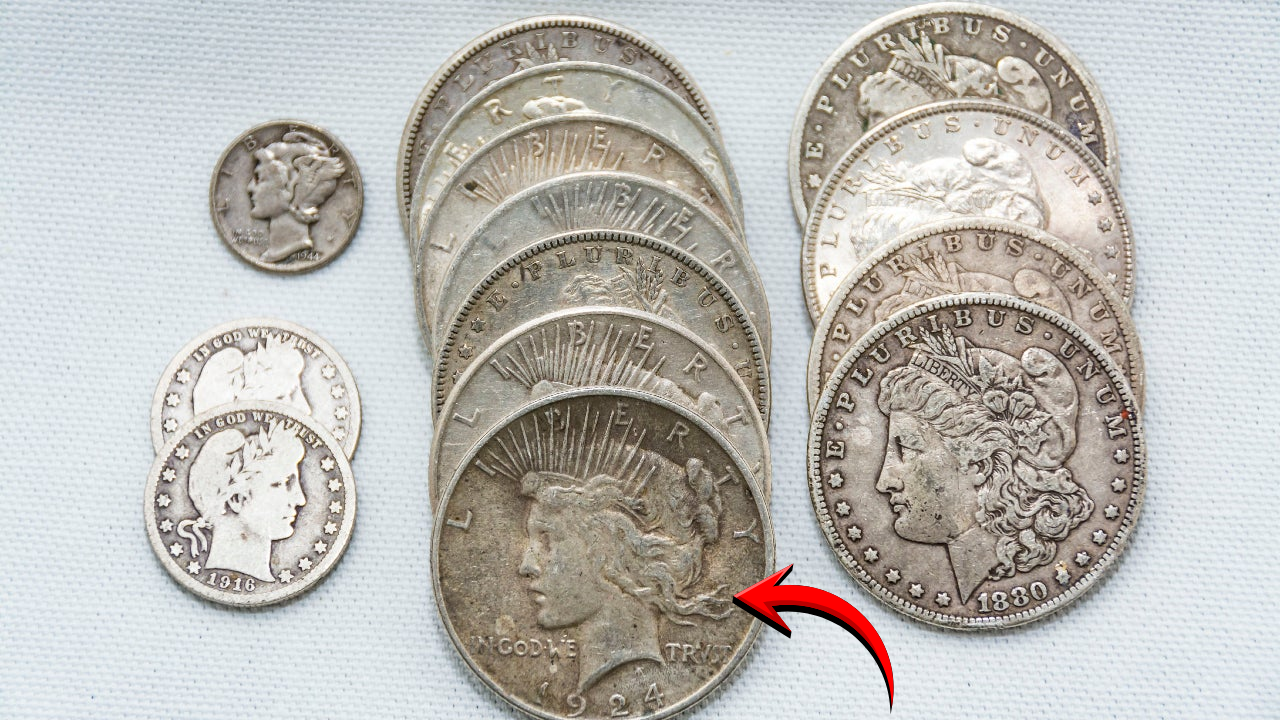
From the 1794 Flowing Hair silver dollar to the 1933 Double Eagle, the world’s most valuable coins combine extreme rarity, dramatic history and record‑shattering auction prices. These pieces are less like pocket change and more like portable museums, each worth millions to serious collectors and investors alike.
Why Some Coins Become Worth Millions
Valuable coins almost always share three traits: rarity, historical significance and strong collector demand. Rarity can come from tiny original mintages, mass meltings of coins, or surviving examples being locked away in museums and private collections. History adds another layer, whether it is a coin tied to the gold standard, a royal court, or a political crisis, and when only a handful are available to compete for, wealthy collectors drive prices into the tens of millions.

1933 Double Eagle: The Record Holder
The 1933 Saint‑Gaudens Double Eagle is widely regarded as the most expensive coin ever sold, achieving around 18.9 million dollars at auction in 2021. Although 445,500 pieces were struck, almost all were ordered melted when the United States abandoned the gold standard during the Great Depression, leaving only a handful legally owned today and elevating the coin to legendary status.
Flowing Hair Dollar and Brasher Doubloon
The 1794 Flowing Hair silver dollar is celebrated as one of the earliest U.S. silver dollars and has sold for about 10 million dollars, reflecting its importance as a first‑generation federal coinage piece. Equally famous is the 1787 Brasher Doubloon, a privately struck gold coin bearing the initials of goldsmith Ephraim Brasher, which has realized prices in the 7–9 million dollar range depending on the variety and condition.
Historic European and Islamic Rarities
Not all record coins are American; medieval and early modern issues from Europe and the Islamic world also claim top spots. The 1343 Edward III florin, nicknamed the “Double Leopard,” is known in only a few examples and has been valued in the multi‑million‑dollar range thanks to its age and royal English origins. The 723 Umayyad gold dinar, believed to be struck from caliphal gold mines, is another superstar, with an estimated value around 6 million dollars and enormous cultural importance for Islamic numismatics.
Snapshot of 9 Remarkable Coins
Below is a compact view of nine of the most talked‑about high‑value coins, combining auction records and widely cited value estimates.

| Coin (Country) | Key Date | Approximate Record or Estimate (USD) | Notable Feature |
|---|---|---|---|
| 1933 Saint‑Gaudens Double Eagle (USA) | 1933 | 18.9 million | Gold coin tied to end of U.S. gold standard |
| 1794 Flowing Hair Silver Dollar (USA) | 1794 | 10 million | Among the first U.S. silver dollars |
| 1787 Brasher Doubloon “EB on Wing” (USA) | 1787 | 7–9.4 million | Private gold issue by Ephraim Brasher |
| Edward III Florin “Double Leopard” (England) | 1343 | About 6–7 million (estimate) | Medieval English gold with only a few known |
| Umayyad Gold Dinar (Caliphate) | 723 | About 6 million (estimate) | Linked to caliphal gold mines |
| 1804 Draped Bust Silver Dollar (USA) | 1804 | Around 7.7 million | Famous “King of American Coins” |
| 1913 Liberty Head Nickel (USA) | 1913 | Around 4.5–5 million | Only five known, with mysterious origins |
| 1849 Double Eagle (USA) | 1849 | About 20 million (museum estimate) | Pattern piece, single known example |
| Rare high‑grade Morgan Dollar (USA) | Various 19th‑century dates | Up to low six figures | Common type, but rare dates can be hugely valuable |
The Mystery of the 1913 Liberty Head Nickel

Few coins have as much intrigue as the 1913 Liberty Head nickel, a coin the U.S. Mint never officially released yet of which five examples surfaced decades later. Individual pieces have sold multiple times for between about 3 and 5 million dollars, helped by a colorful ownership history that includes prominent collectors and headline‑grabbing auctions.
Lessons for Modern Collectors
For today’s collectors, these nine giants show that value is not just about metal content but also about story, scarcity and condition. Careful research into mintages, survival numbers and past auction results is essential, because a coin that seems ordinary at first glance may hide rare varieties or errors that command strong premiums. At the same time, storage, authentication and grading matter, since top‑grade certified examples consistently command the highest prices in the marketplace.
SOURCE
FAQs
Q1. Are all old coins valuable?
No. Age helps, but value usually comes from rarity, demand and condition rather than age alone.
Q2. How can someone check if a coin is rare?
A collector can compare the coin’s date and mint mark to trusted price guides, then consult a professional dealer or grading service for confirmation.
Q3. Is investing in rare coins risky?
Yes. Prices can be volatile, so experts often suggest focusing on historically important pieces, verified authenticity and long‑term holding rather than short‑term speculation.