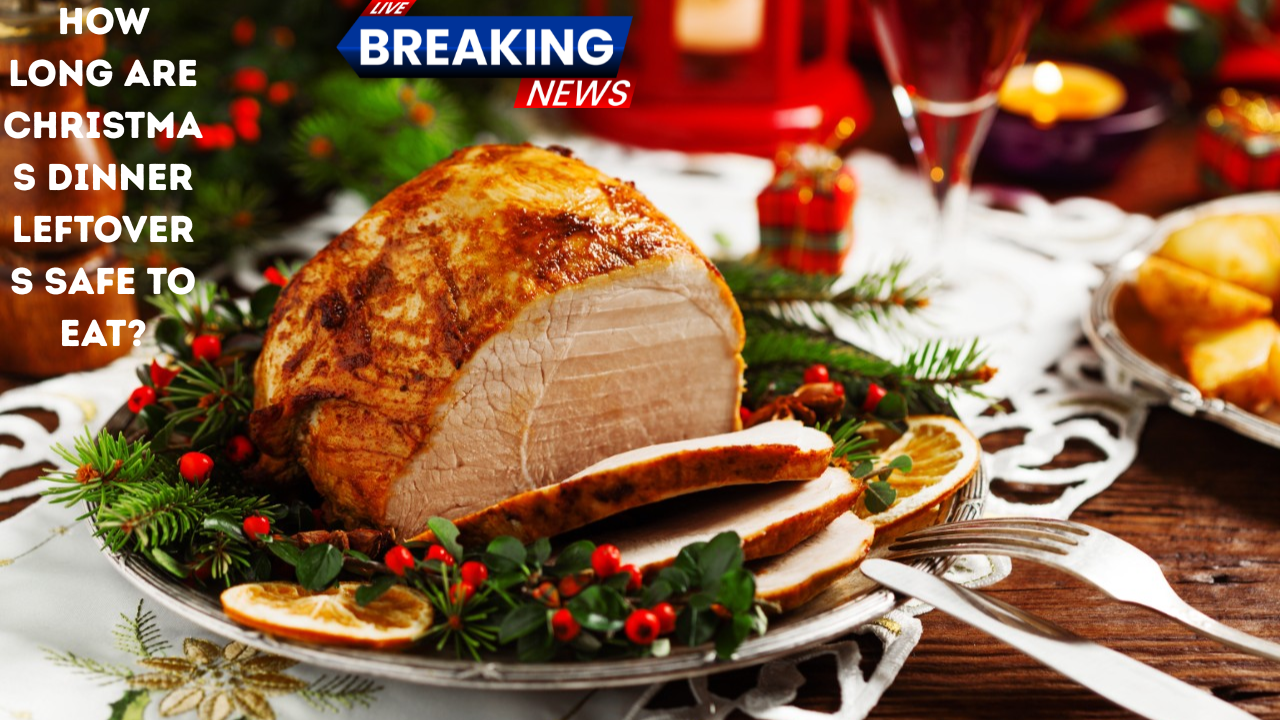
Christmas dinner leftovers can be safe and delicious for several days, but only if they are cooled, stored, and reheated correctly in line with the “two‑hour rule.” Understanding how long different foods last and what the two‑hour rule really means helps prevent food poisoning while still letting you enjoy every last slice of turkey and spoonful of stuffing.
What Is the Two‑Hour Rule?
Food safety agencies advise that perishable foods, such as roast meats, gravy, stuffing, cooked vegetables, and dairy‑based dishes, should not sit at room temperature for more than about two hours in total. After this point, bacteria can multiply rapidly in the “danger zone” between about 5 °C and 60 °C (40 °F and 140 °F), making the food unsafe even if it still looks or smells fine.

The two‑hour clock starts as soon as food comes out of the oven or fridge and is placed on the table or buffet. If hot food will be left out for guests to graze, it should be kept above 60 °C in chafing dishes or warmers, and cold items like salads should be kept below 5 °C on ice or returned to the fridge promptly.
How Long Leftovers Last in the Fridge
Once Christmas dinner is over, leftovers need to be refrigerated within that two‑hour window in shallow containers so they cool quickly and evenly. When stored in a fridge at or below about 4–5 °C, most cooked Christmas dishes are best eaten within three to four days for both safety and quality.

Guidance from food safety authorities and nutrition experts generally suggests that cooked meats such as turkey and ham last about three to four days in the fridge, while many cooked vegetables and side dishes are safest within two to three days. Highly perishable items like fresh green salads or cream‑based desserts may have an even shorter safe window and should be eaten within a day or two.
Typical Safe Times for Popular Christmas Leftovers
Below is a general overview of how long common Christmas dinner items stay safe when they have been cooled quickly and refrigerated within two hours.

| Food item | Safe in fridge (approx.) | Safe in freezer (best quality) |
|---|---|---|
| Roast turkey or chicken | 3–4 days | Up to 2–4 months |
| Cooked ham | 3–4 days | 1–2 months |
| Stuffing (with meat) | 3–4 days | 1–3 months |
| Gravy and sauces | 1–2 days | 1–2 months |
| Cooked vegetables | 3–4 days | 2–3 months |
| Cream‑based desserts | 2–3 days | Varies; quality drops quickly |
These time frames assume the fridge stays at a safe temperature, usually between 0 °C and 5 °C, and that food is covered or sealed to prevent contamination and drying out. If power fails, the door is opened frequently, or containers are left partially uncovered, the real safe window may be shorter.
Understanding the 2‑Hour/4‑Hour Framework
Some food safety authorities describe a 2‑hour/4‑hour rule to manage food that has been in the temperature danger zone. Under this framework, food out of the fridge for less than two hours can be chilled again, food out for two to four hours can still be eaten but should not be returned to the fridge, and anything out for more than four hours should be discarded.
This approach reflects how quickly bacteria can grow when food is warm and moist, especially dishes rich in protein such as meat, stuffing, and dairy sauces. The safest practice in a home setting is to aim to get everything either piping hot or thoroughly chilled as quickly as possible, and to avoid repeatedly taking the same dish in and out of the danger zone.
Reheating Christmas Leftovers Safely
When reheating Christmas leftovers, the key is to ensure they reach a steaming‑hot internal temperature throughout, not just on the surface. Food safety agencies often recommend reheating to about 74 °C (165 °F), which is hot enough to reduce most harmful bacteria that may have survived storage.

Leftovers should be reheated only once, because each cool‑down and warm‑up cycle gives bacteria more chances to grow. Stirring stews, gravies, or casseroles during reheating helps distribute heat evenly, while larger pieces of meat can be sliced before reheating so the heat penetrates quickly and thoroughly.
When to Throw Leftovers Away
If Christmas dinner leftovers have been in the fridge longer than four days, they are better discarded than risked, even if they smell and look normal. Toss any food that has spent more than two hours at room temperature after cooking or has been in the temperature danger zone for a total of more than four hours.
Trusting appearance alone can be misleading, because some foodborne bacteria do not change smell, taste, or color as they grow. If there is any uncertainty about how long something has been sitting out or stored, the safest rule is “when in doubt, throw it out.”
Practical Tips to Enjoy Leftovers Safely
A few simple habits make it much easier to stay within the two‑hour rule and get the most from Christmas leftovers. Carve large roasts promptly after serving and transfer slices into shallow, covered containers so they cool rapidly in the fridge. Label containers with the date and, if useful, the contents, so everyone in the household knows what should be eaten first and what needs to be thrown away.
Plan ahead for freezer space so that any food you know you will not eat within three to four days can be portioned and frozen while still fresh. Turning leftovers into new meals, such as soups, pies, or stir‑fries, can keep them interesting while still following all the same rules about time, temperature, and thorough reheating.
SOURCE
FAQs
1. How long are Christmas dinner leftovers safe in the fridge?
Most cooked meats and main dishes are safe for about three to four days in a properly chilled fridge if they were refrigerated within two hours of serving.
2. What exactly is the two‑hour rule for leftovers?
The two‑hour rule means perishable foods should not sit at room temperature for more than about two hours total before being refrigerated or reheated, because bacteria grow rapidly in the danger zone.
3. Can I reheat Christmas leftovers more than once?
Food safety experts advise reheating leftovers only once and making sure they are steaming hot all the way through each time to reduce the risk of foodborne illness.